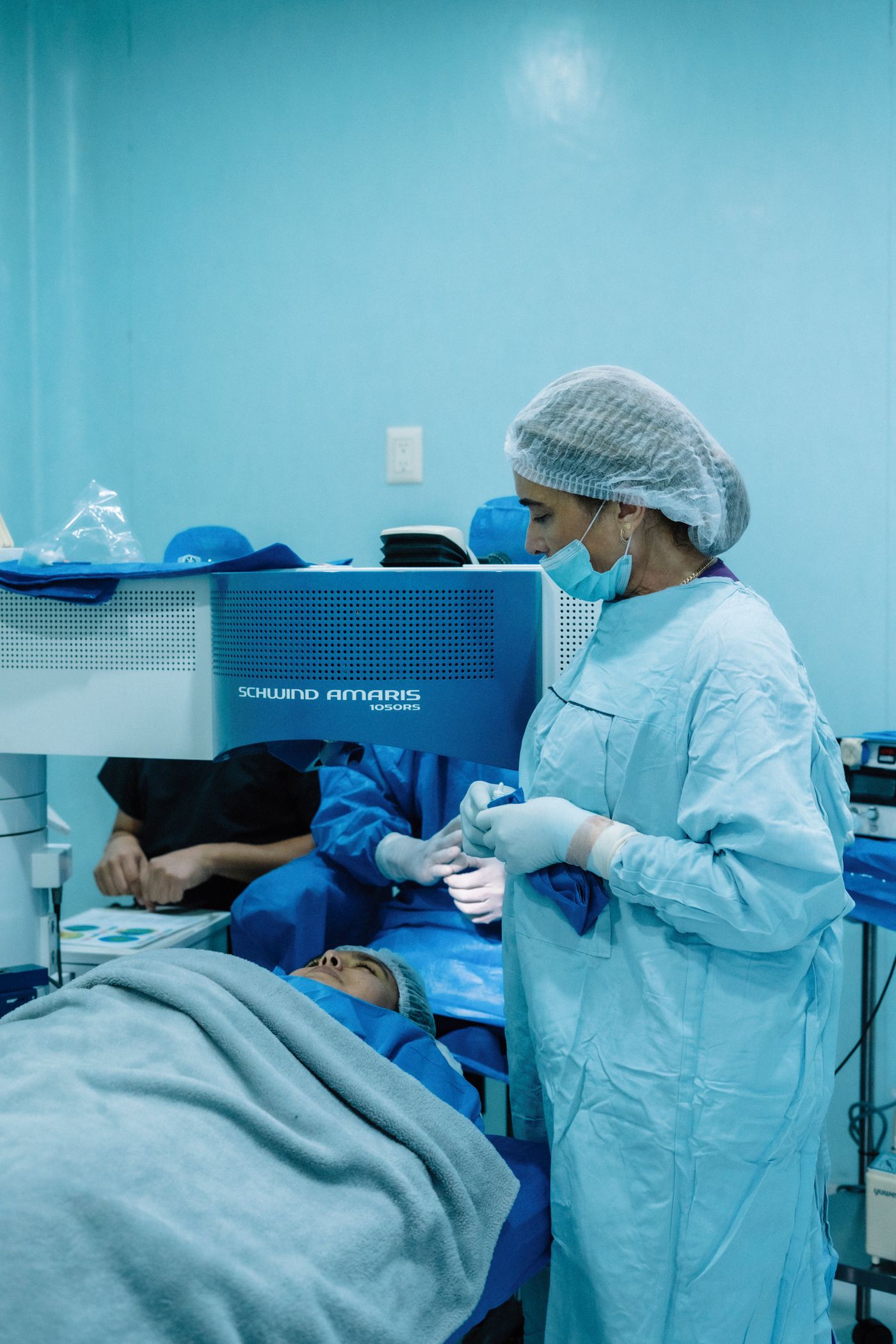
A cataract is the gradual clouding of the natural lens in the eye, responsible for focusing light onto the retina. This clouding causes blurry vision, halos around lights, and faded colors, making daily activities increasingly difficult. In early stages, cataracts may not cause disruption, but over time, they can interfere with reading, driving at night, or recognizing faces. Aging is the most common cause, but cataracts also occur due to eye injuries, genetics, or conditions such as diabetes. The good news is that cataracts are very treatable with safe and effective surgical procedures that restore clear vision and significantly enhance quality of life.
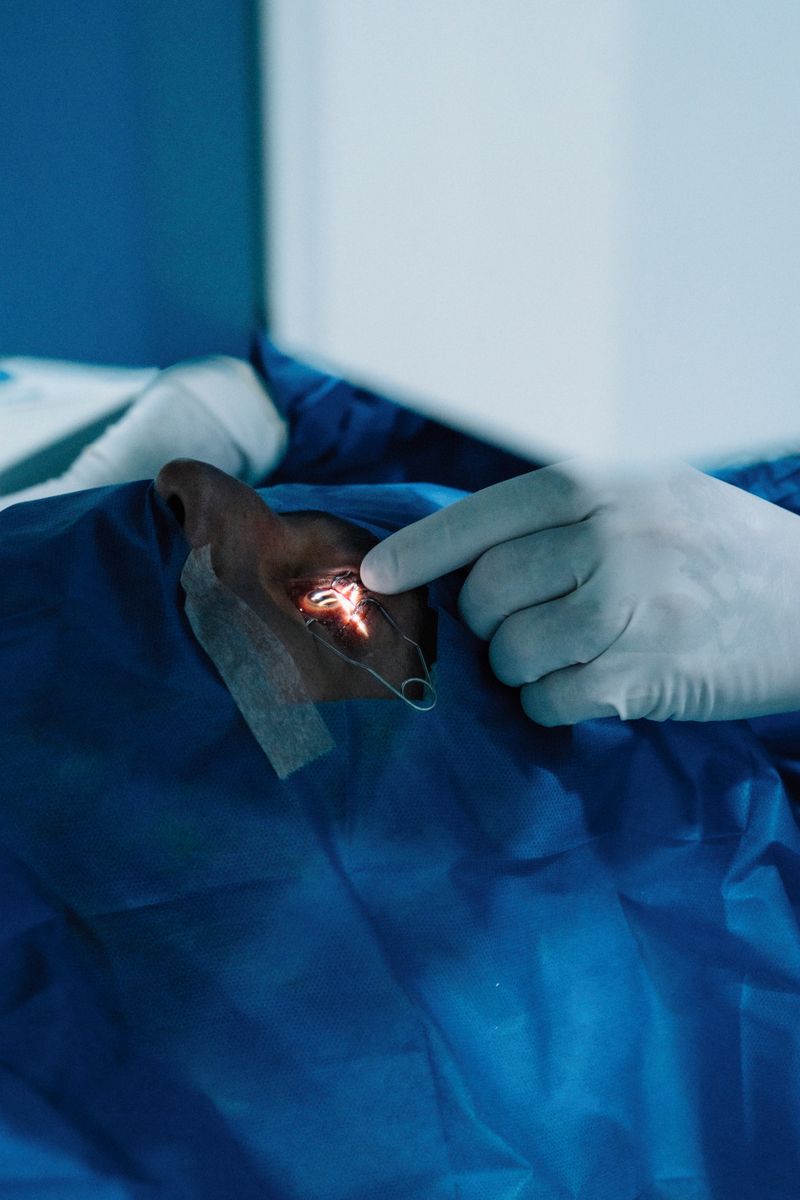
Watch for these warning signs and schedule an eye examination promptly.
Cloudy, blurry, or foggy vision that worsens over time
Colors appear faded, yellowed, or washed out
Glare or halos around lights, especially when driving at night
Poor night vision and difficulty in dim lighting
Double vision in one eye
Frequent changes needed in glasses prescription
Difficulty reading small print even with updated glasses
The most common age-related type; develops in the centre (nucleus) of the lens, gradually hardening and yellowing. Distance vision is often affected first.
Develops in the outer cortex of the lens as white, wedge-shaped opacities that gradually extend inward, causing glare and contrast sensitivity issues.
Forms at the back of the lens, beneath the capsule. It often affects reading vision early and causes significant glare and halos around lights.
Present at birth or develops early in childhood, often due to genetic factors or infections during pregnancy. Requires prompt treatment to prevent amblyopia (lazy eye).
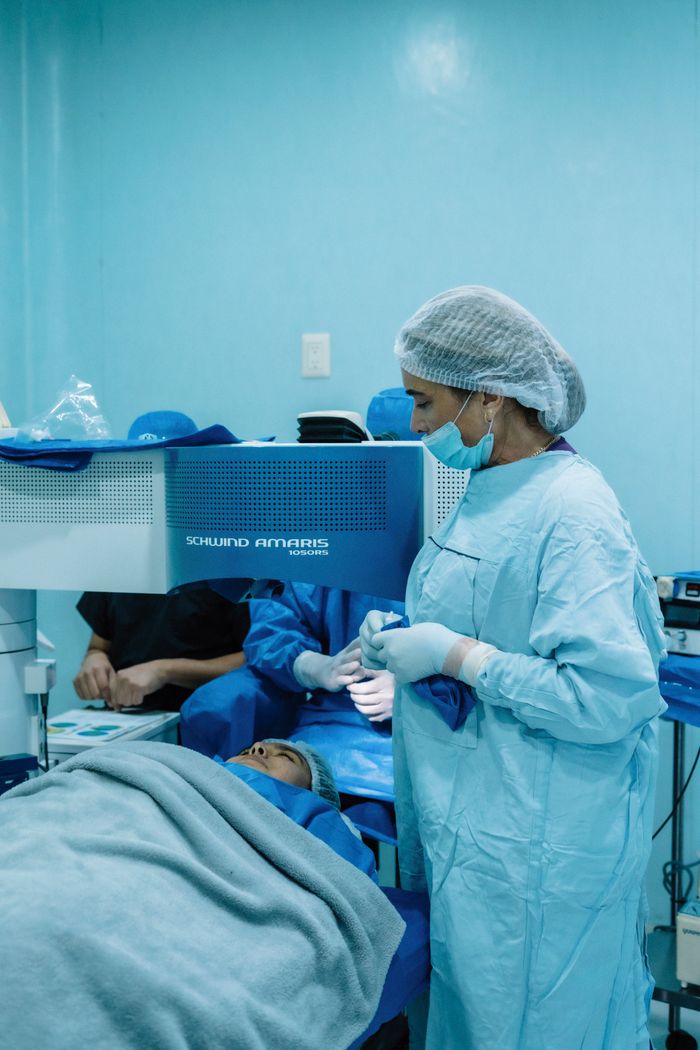
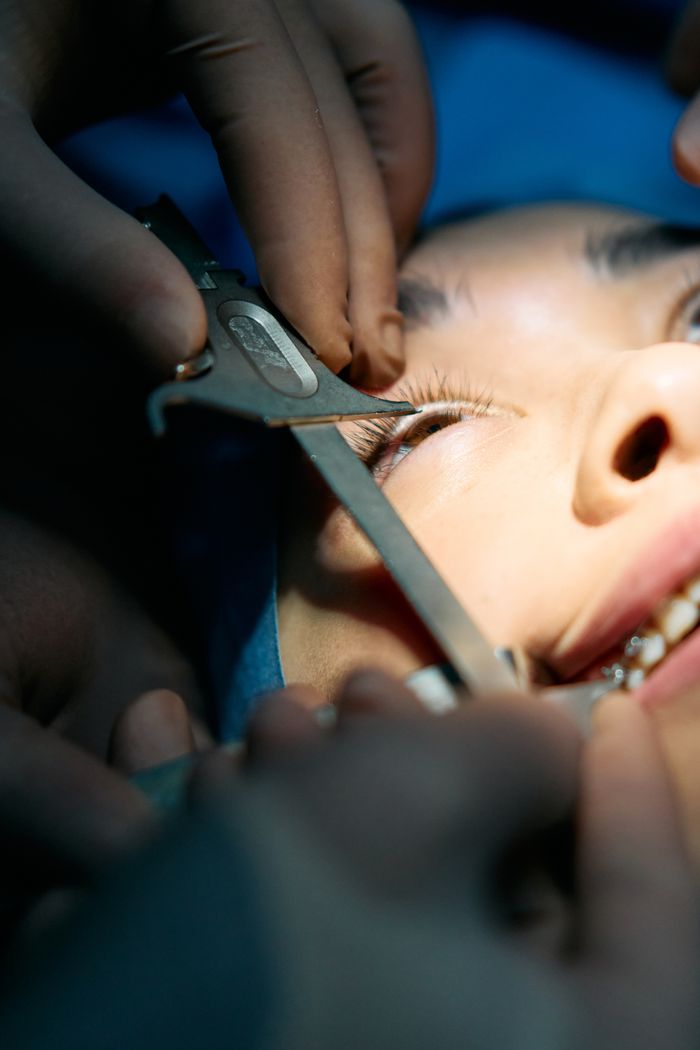
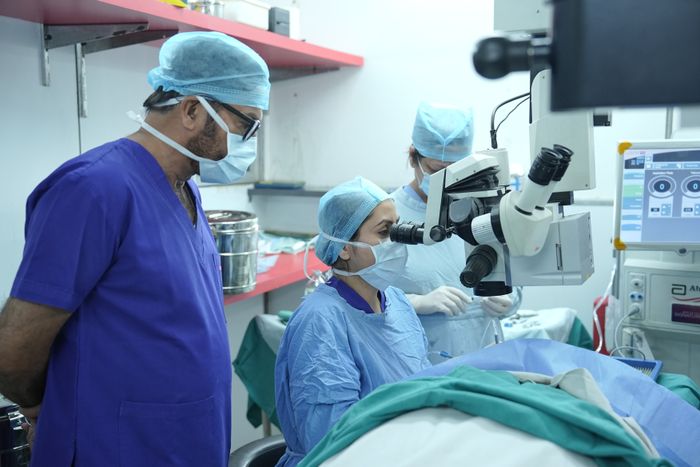
Minimally invasive surgery using ultrasound energy to emulsify and remove the cloudy lens through a micro-incision, then replaced by a clear artificial lens (IOL).
A premium artificial lens that provides vision at multiple distances — far, intermediate, and near — dramatically reducing or eliminating dependence on glasses.
A specialized intraocular lens that simultaneously corrects cataract and astigmatism in a single surgery for clearer, glasses-free vision.
An advanced laser-assisted technique that automates several key steps of cataract surgery for greater precision and consistency.
Consult our specialists today
Our team is available to answer any questions about this service.