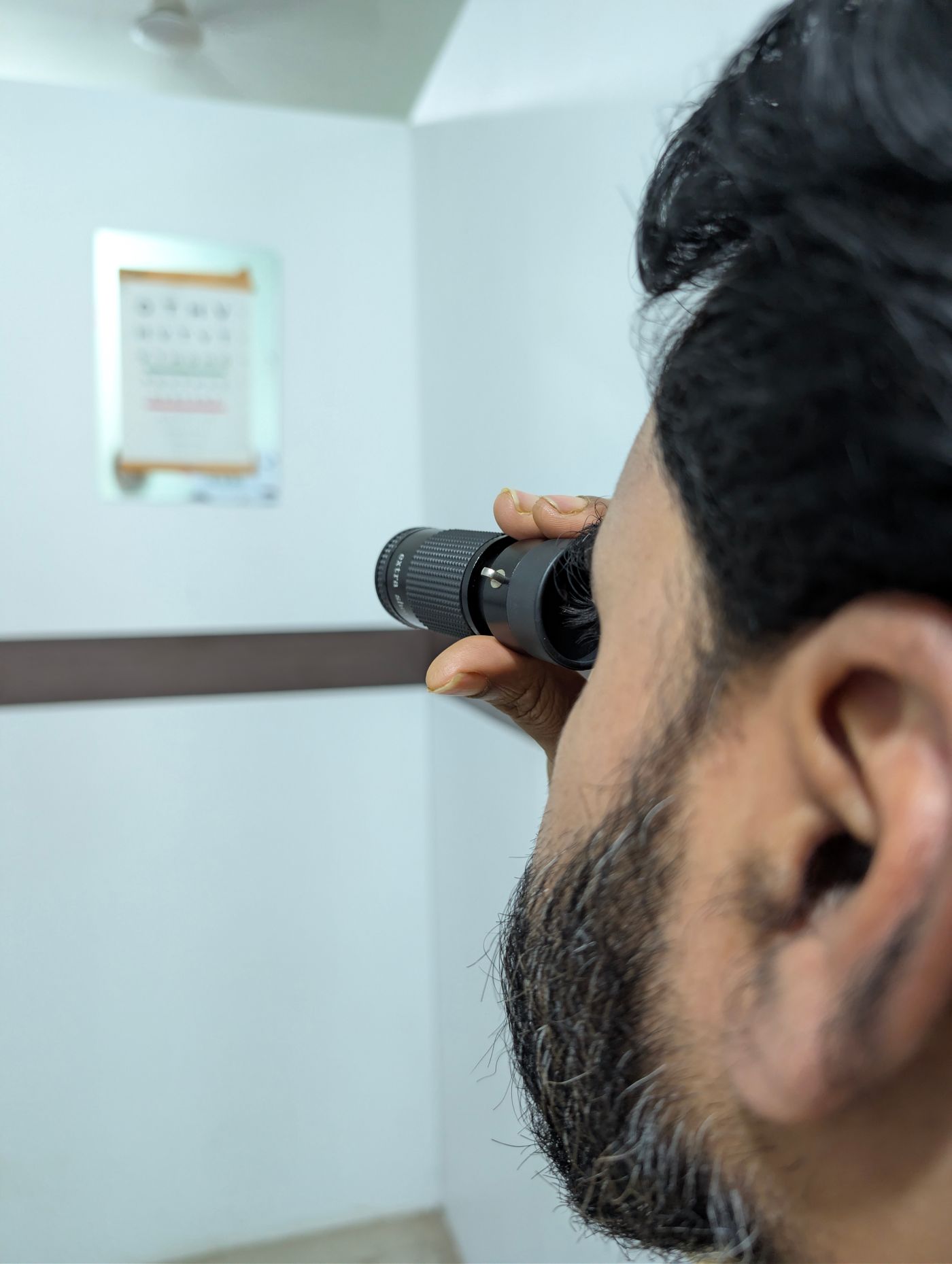
Glaucoma is a group of eye conditions that gradually damage the optic nerve, often due to increased eye pressure. It is called the "silent thief of sight" because it progresses slowly and typically shows no symptoms until the vision loss is advanced. Glaucoma can affect anyone, but those over 40, with a family history, or with diseases like diabetes and hypertension are at higher risk. Although it cannot be cured, early detection and treatment with drops, lasers, or surgery can slow progression and prevent blindness.

Watch for these warning signs and schedule an eye examination promptly.
Gradual loss of peripheral (side) vision — often unnoticed in early stages
Tunnel vision in advanced stages of the disease
Blurred vision or halos around lights (in angle-closure glaucoma)
Sudden eye pain and redness (acute angle-closure — a medical emergency)
Nausea and headache associated with a sudden rise in eye pressure
Vision loss that does not improve with updated glasses
The most common type, developing slowly over years with no pain or early symptoms. Fluid drainage is partially blocked causing gradual, silent pressure build-up.
A sudden, severe type where the iris blocks fluid drainage pathways. Presents as a medical emergency with rapid vision loss, pain, and nausea.
The optic nerve is damaged even when intraocular pressure is within the normal range — poorly understood but responsive to treatment.
Present at birth due to abnormal development of the eye's drainage system. Symptoms include enlarged eyes, excessive tearing, and light sensitivity in infants.
Results from other eye conditions, injuries, long-term steroid use, or systemic diseases such as diabetes. Treating the underlying cause is part of management.


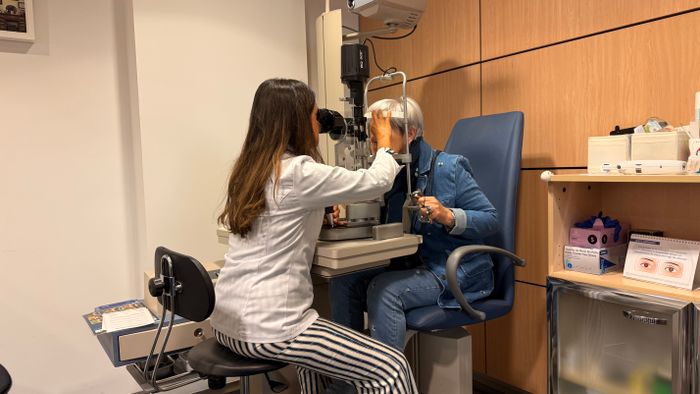
First-line treatment that reduces eye pressure by either decreasing fluid production or improving its drainage. Must be used consistently as prescribed.
A laser procedure that gently opens the drainage channels in the eye to improve fluid outflow and reduce intraocular pressure.
Creates a small opening in the iris to allow fluid to drain properly; the primary treatment for angle-closure glaucoma.
Surgical creation of a new drainage channel under the conjunctiva, allowing excess fluid to drain and lower eye pressure.
Small tubes or valves implanted to divert excess fluid and maintain safe pressure levels, used for advanced or complicated cases.
Consult our specialists today
Our team is available to answer any questions about this service.