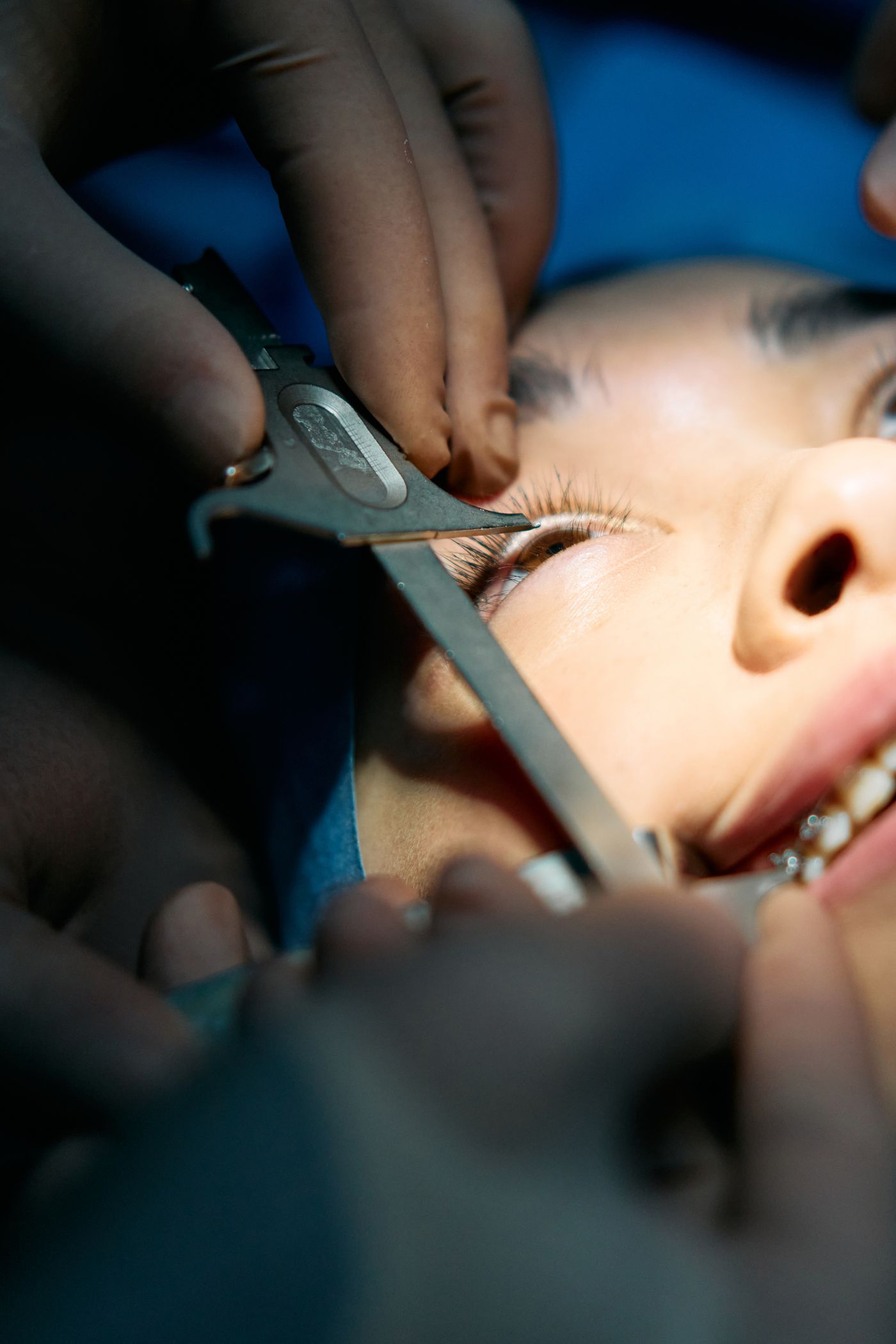
Squint surgery is done to correct misalignment of the eyes, also known as strabismus. It involves strengthening or weakening certain eye muscles so that both eyes are properly aligned, improving focus and appearance. While often associated with children, squint can also occur in adults due to trauma, nerve problems, or untreated childhood strabismus. Corrective surgery is not just cosmetic but also helps improve binocular vision in many cases.
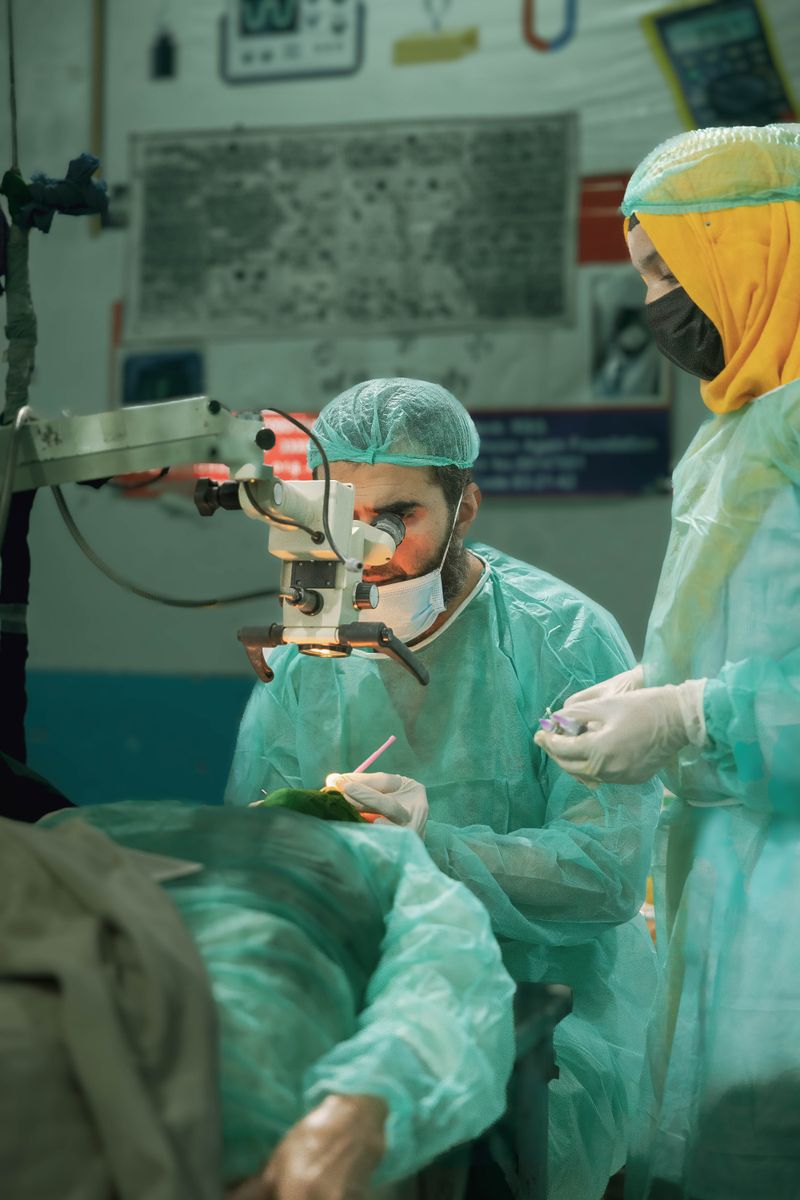
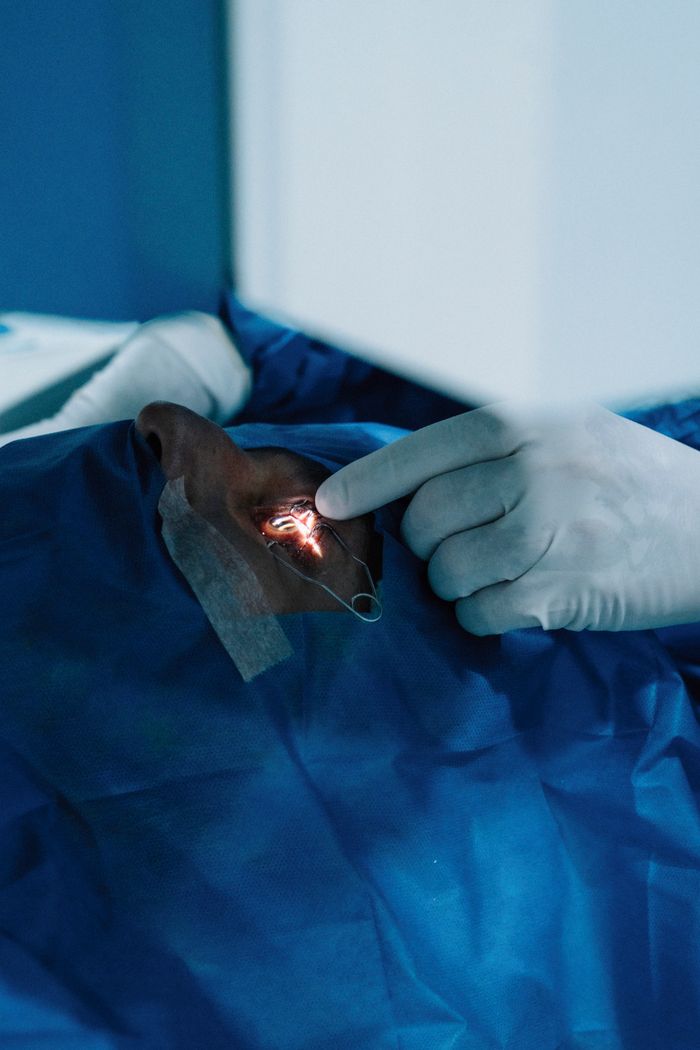
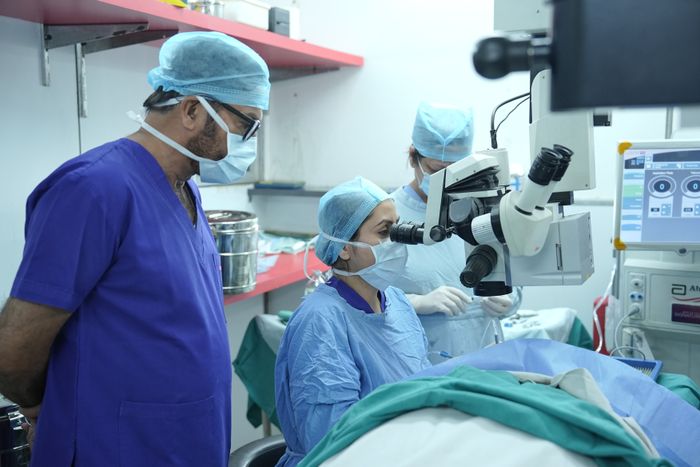
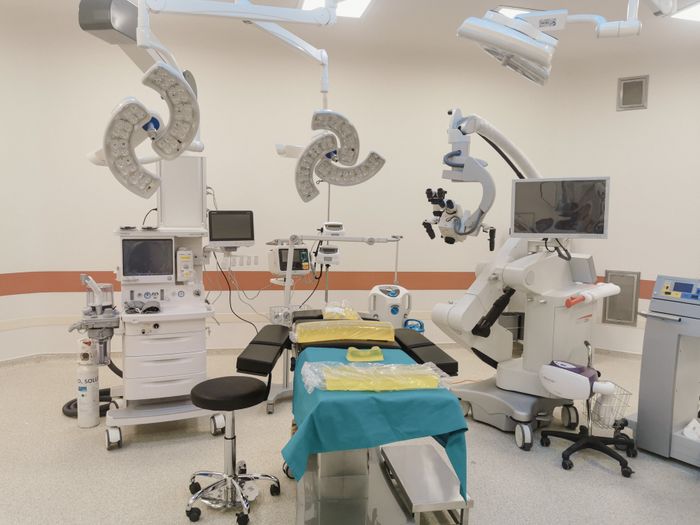
Orthoptic assessment to measure the angle of squint in all gaze positions
Surgical plan is made: recession (weakening) or resection (strengthening) of eye muscles
General anesthesia for children; local/topical for cooperative adults
A small conjunctival incision is made to expose the targeted eye muscle
The muscle is carefully detached, measured, and reattached at the appropriate position
Adjustable sutures may be used in adults for fine-tuning alignment post-surgery
The conjunctiva is closed with absorbable sutures
Post-operative exercises and patching may be prescribed to consolidate binocular vision
Redness and mild soreness are normal for 1–2 weeks. Children typically return to school in 1 week. Avoid swimming and contact sports for 2–3 weeks. Follow-up orthoptic exercises help consolidate alignment. A second corrective procedure is occasionally needed to achieve perfect alignment.
Consult our specialists today
Our team is available to answer any questions about this service.