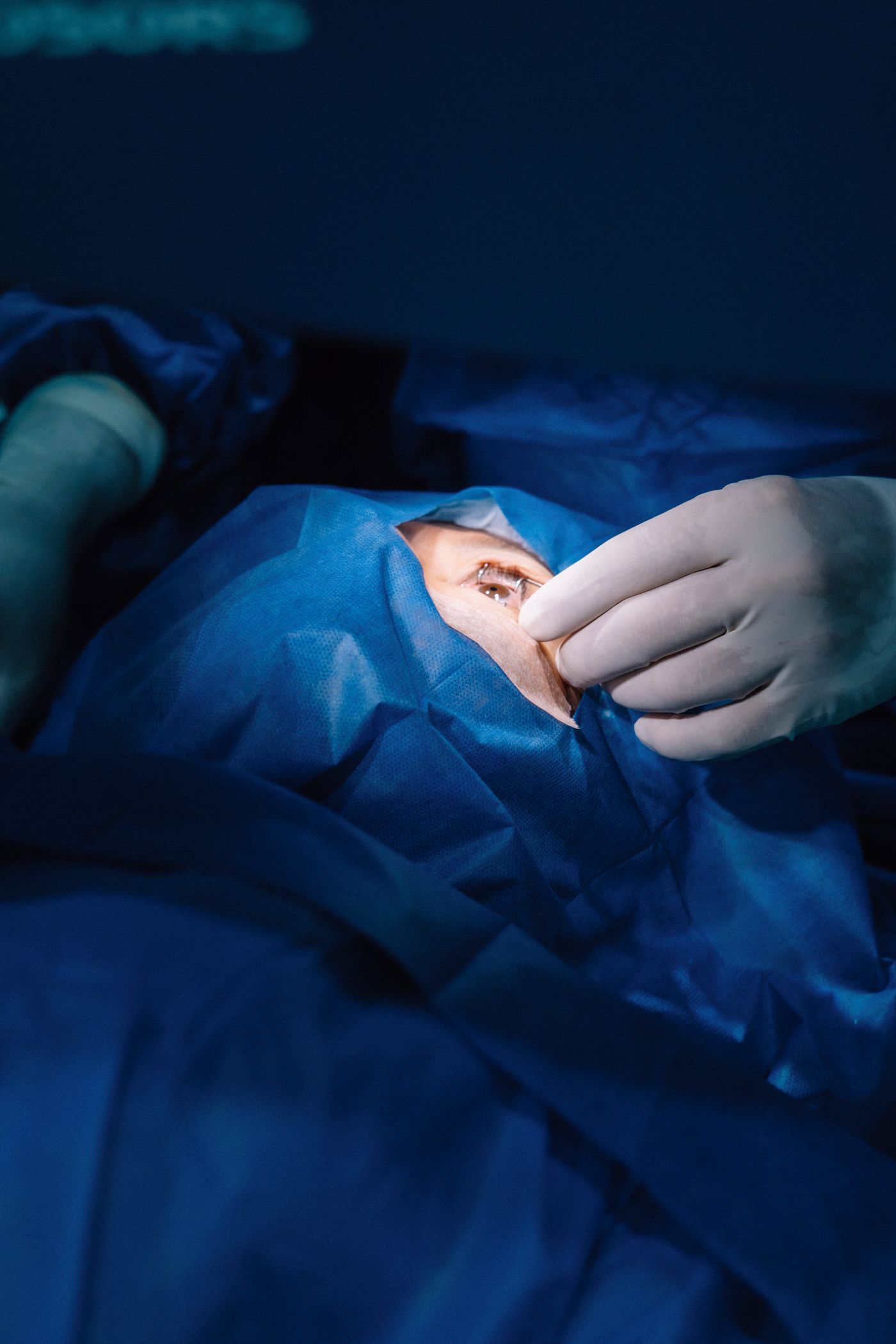
Pterygium surgery removes the fleshy growth on the eye surface that can extend onto the cornea. Left untreated, it may cause chronic irritation, cosmetic concerns, and distorted vision. Modern surgical methods often use conjunctival autografts to reduce recurrence and improve cosmetic results. The surgery is usually performed as a day-care procedure with quick recovery.
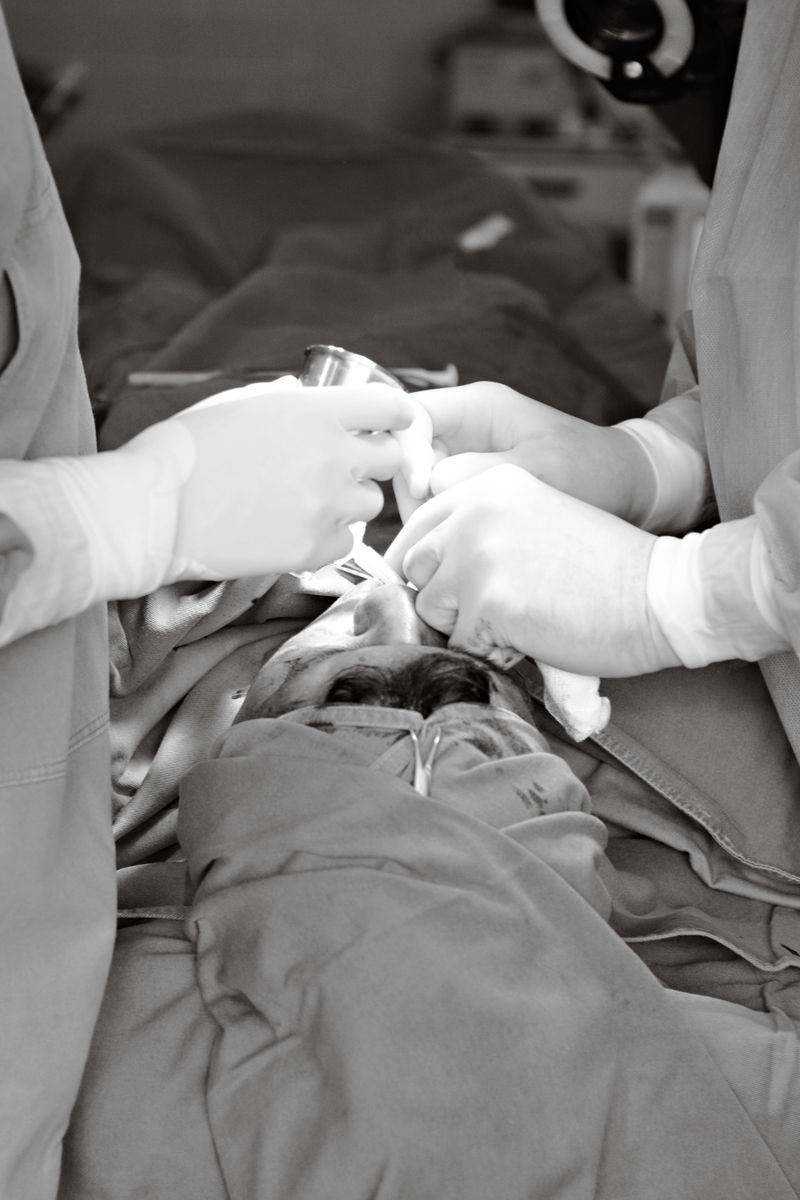
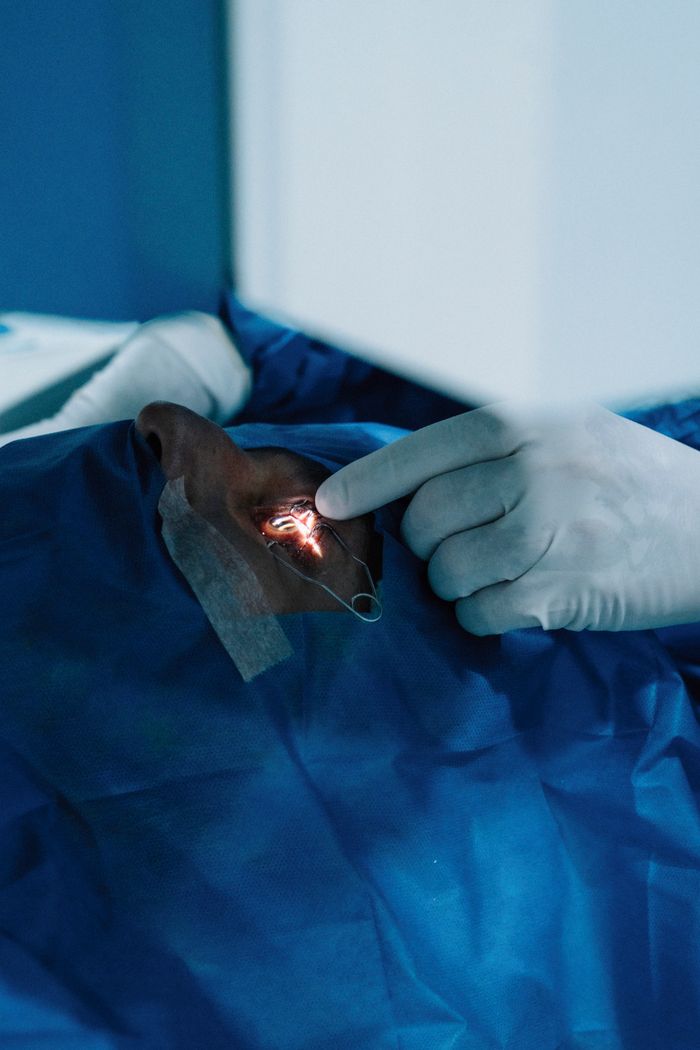
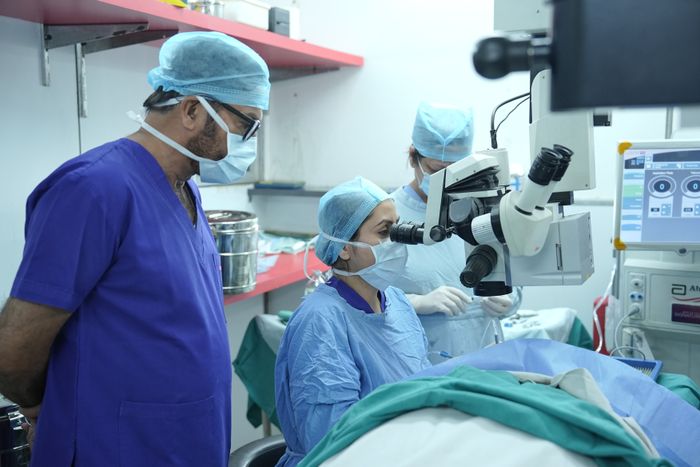
Local anesthetic eye drops and a sub-conjunctival injection numb the eye
The pterygium body and its head are carefully dissected from the corneal surface
The bare scleral area left behind is measured precisely
A conjunctival autograft is harvested from the upper part of the same eye
The graft is placed over the excision site and secured with fibrin glue or sutures
A bandage contact lens or eye pad is placed for comfort
The patient is discharged the same day with antibiotic and steroid drops
Mild redness, discomfort, and watering are expected for 1–2 weeks. Antibiotic and steroid drops are used for 4–6 weeks to prevent recurrence. Avoid rubbing the eye and wear UV-protective sunglasses outdoors for at least 3 months to reduce risk of recurrence.
Consult our specialists today
Our team is available to answer any questions about this service.