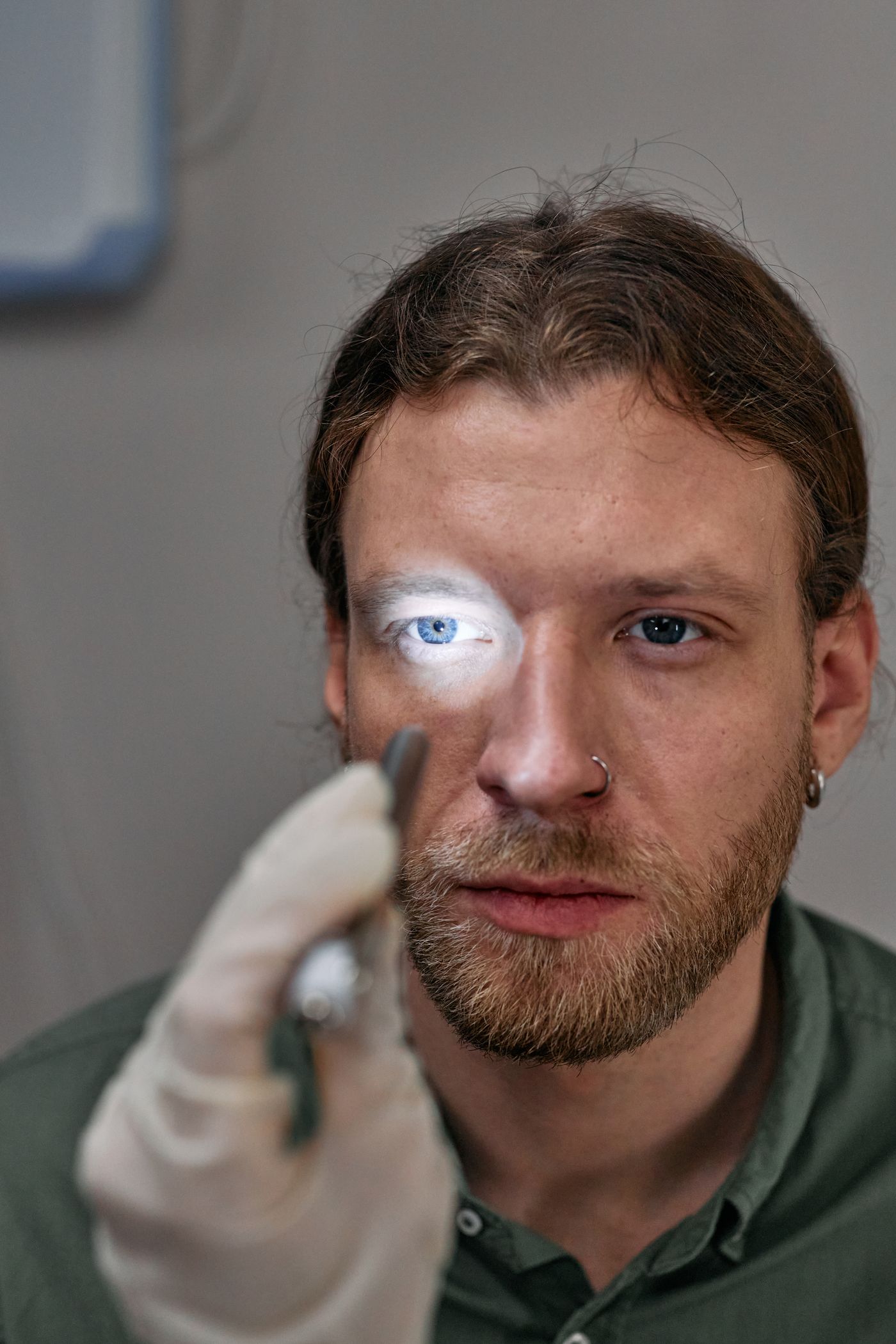
The retina is a thin, light-sensitive layer at the back of the eye that captures images and sends signals to the brain for vision. Retinal conditions such as diabetic retinopathy, retinal detachment, or macular degeneration can threaten sight permanently if not detected in time. Retina evaluations are crucial for individuals with diabetes, hypertension, or those experiencing sudden vision changes. Specialized diagnostic tools help in early detection, allowing doctors to intervene before vision is irreversibly damaged.

Watch for these warning signs and schedule an eye examination promptly.
Sudden appearance of many floaters — dark spots, strings, or cobwebs drifting in vision
Flashes of light in one or both eyes (photopsia)
A dark shadow, curtain, or veil across part of your vision (urgent — may be retinal detachment)
Blurred or distorted central vision — straight lines appearing wavy
Difficulty reading or seeing fine details
Colors appearing washed out or different between eyes
Gradual or sudden unexplained vision loss
Damage to retinal blood vessels caused by chronically high blood sugar. The leading cause of blindness in working-age adults. Early stages have no symptoms.
Progressive deterioration of the macula (the centre of the retina) causing loss of central vision. Most common in adults over 50.
The retina separates from its underlying supportive tissue — a medical emergency. Symptoms include a sudden curtain of darkness in vision. Requires immediate surgery.
Blockage of a retinal vein causing bleeding and swelling (macular edema) in the retina, leading to sudden blurred vision.
A small break in the macula causing blurred and distorted central vision. Most commonly affects people over 60, especially women.
A genetic condition causing progressive degeneration of peripheral photoreceptors, leading to tunnel vision and night blindness over time.

Intravitreal injections that block abnormal blood vessel growth. The primary treatment for wet AMD and diabetic macular edema, given periodically.
Laser therapy that seals leaking retinal blood vessels, treats retinal tears, and prevents further progression of diabetic retinopathy.
Surgical removal of the vitreous gel to directly access and repair the retina — used for retinal detachment, macular holes, and severe vitreous hemorrhage.
A gas bubble is injected into the eye to push the detached retina back into position, used for selected superior retinal detachments.
A flexible silicone band is placed around the outside of the eye to provide support against retinal detachment. Often combined with vitrectomy.
Consult our specialists today
Our team is available to answer any questions about this service.