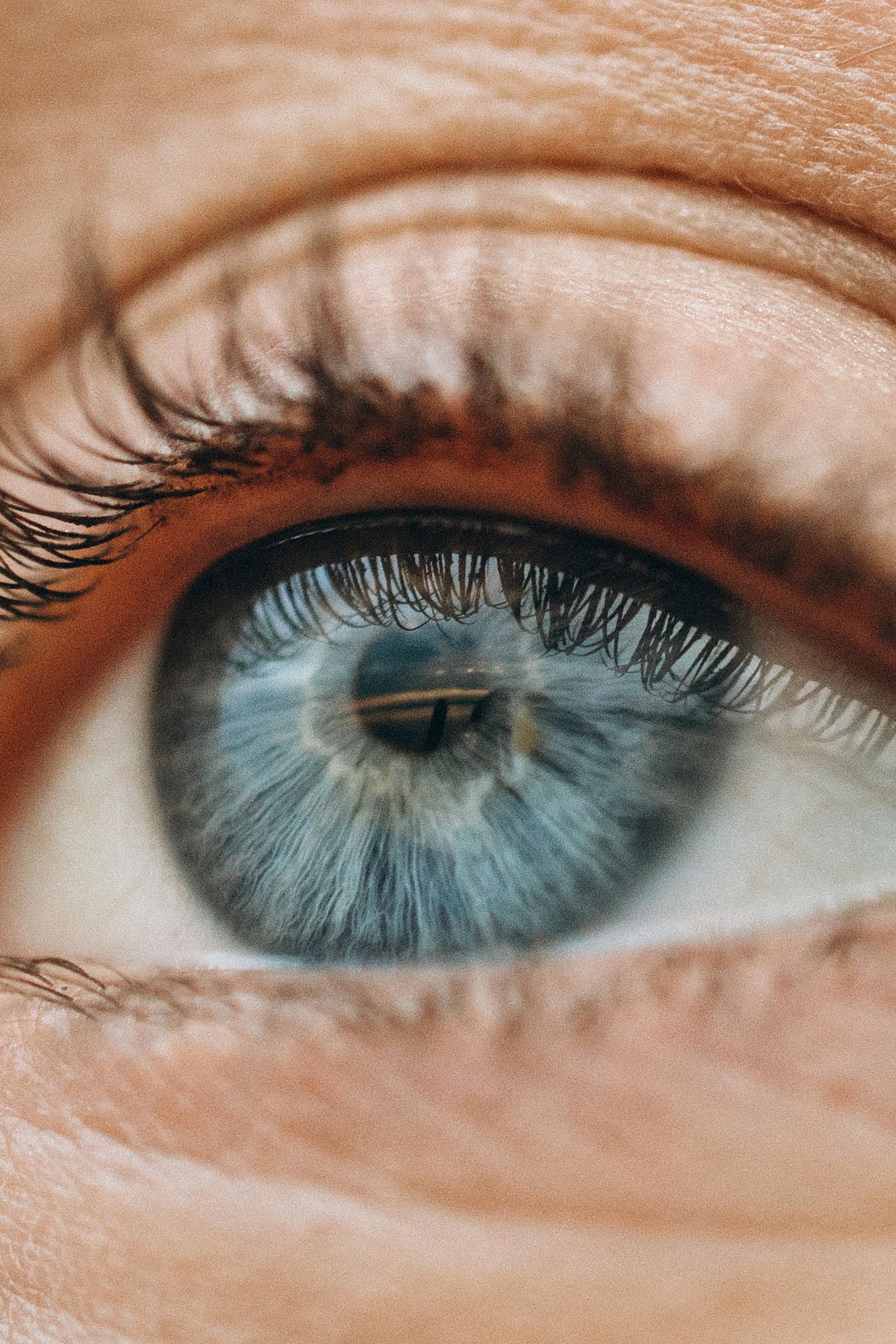
Dry eyes occur when the eyes do not produce enough tears, or the tears evaporate too quickly. Tears are essential for lubrication, clear vision, and protecting against infection. Without proper lubrication, patients experience redness, burning, irritation, and sometimes blurred vision. This condition is becoming more common due to prolonged screen use, aging, environmental pollution, and certain medical conditions. Fortunately, treatments range from artificial tears to advanced options like punctal plugs and therapeutic devices, depending on severity.
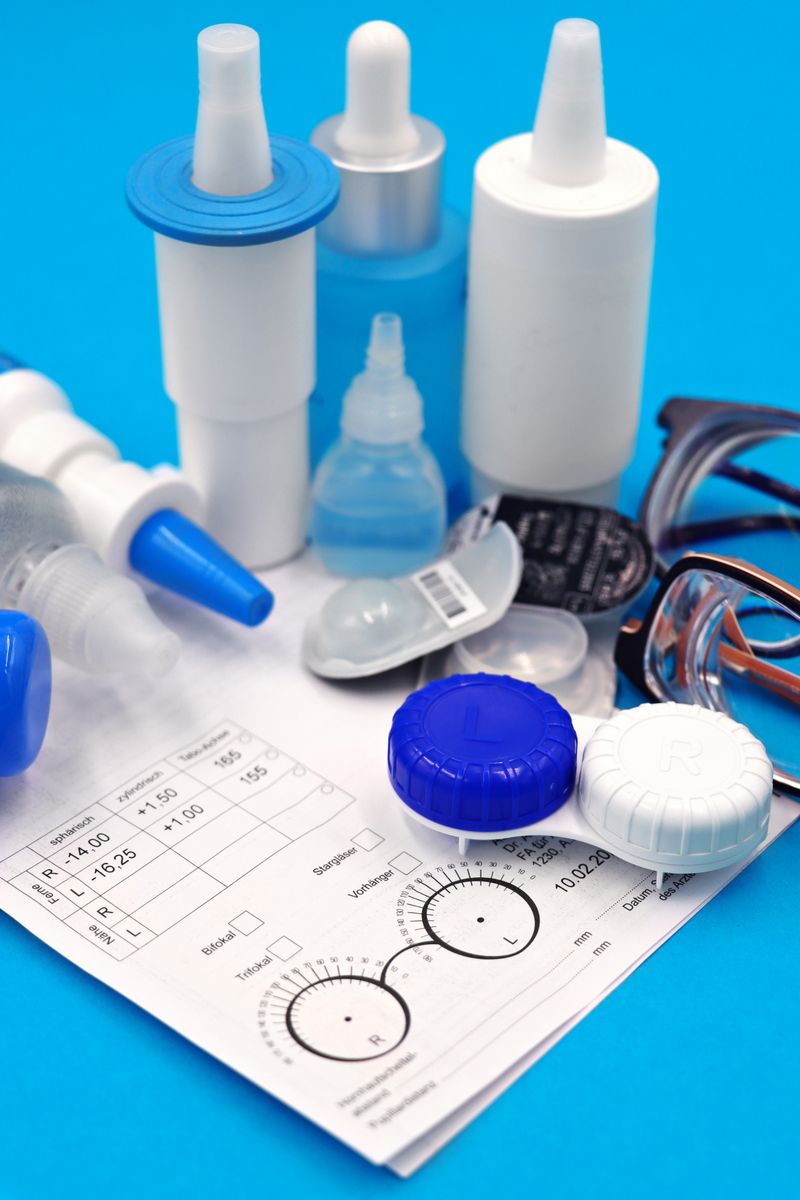
Watch for these warning signs and schedule an eye examination promptly.
Stinging, burning, or a scratchy sensation in the eyes
Sensitivity to light (photophobia)
Redness of the eyes
A sensation of having something in your eyes (foreign body feeling)
Difficulty wearing contact lenses comfortably
Watery eyes — paradoxical tearing as a reflex response to irritation
Blurred vision or eye fatigue, especially during prolonged screen use
The lacrimal glands do not produce enough watery tears. Associated with autoimmune conditions like Sjögren's syndrome and is less common but more severe.
Tears evaporate too quickly due to a deficient lipid layer from meibomian gland dysfunction (MGD). The most common type, often worsened by screen use and air conditioning.
A combination of both aqueous deficiency and excessive evaporation, requiring a multifaceted approach to management for effective relief.

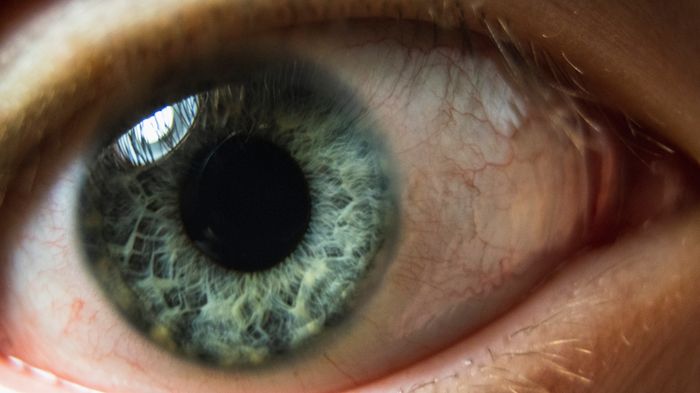
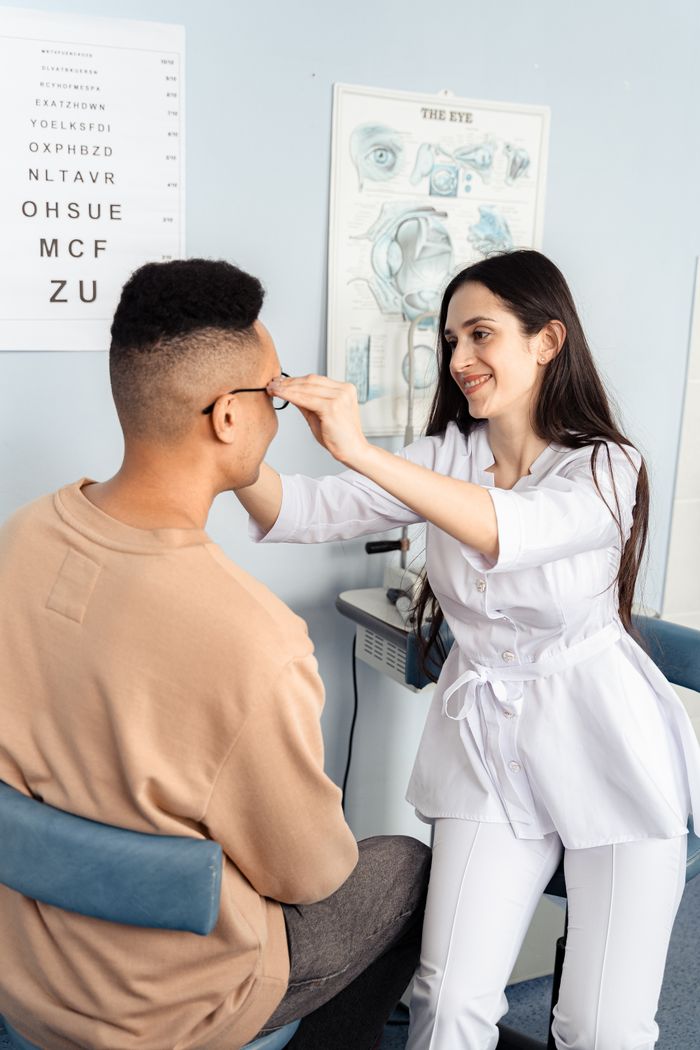
Lubricating eye drops that supplement natural tears. Available in preservative-free versions for frequent use throughout the day.
Applying warm compresses melts blocked meibomian gland secretions and lid scrubs remove debris, improving the lipid layer of the tear film.
Cyclosporine (Restasis) or lifitegrast drops treat the inflammatory component of chronic dry eye, improving tear production and quality over time.
Tiny silicone plugs inserted into the tear drainage ducts to slow tear drainage, keeping natural and artificial tears on the eye surface longer.
Fish oil or flaxseed oil supplements improve meibomian gland function, enhancing the lipid layer of the tear film and reducing evaporation.
Consult our specialists today
Our team is available to answer any questions about this service.