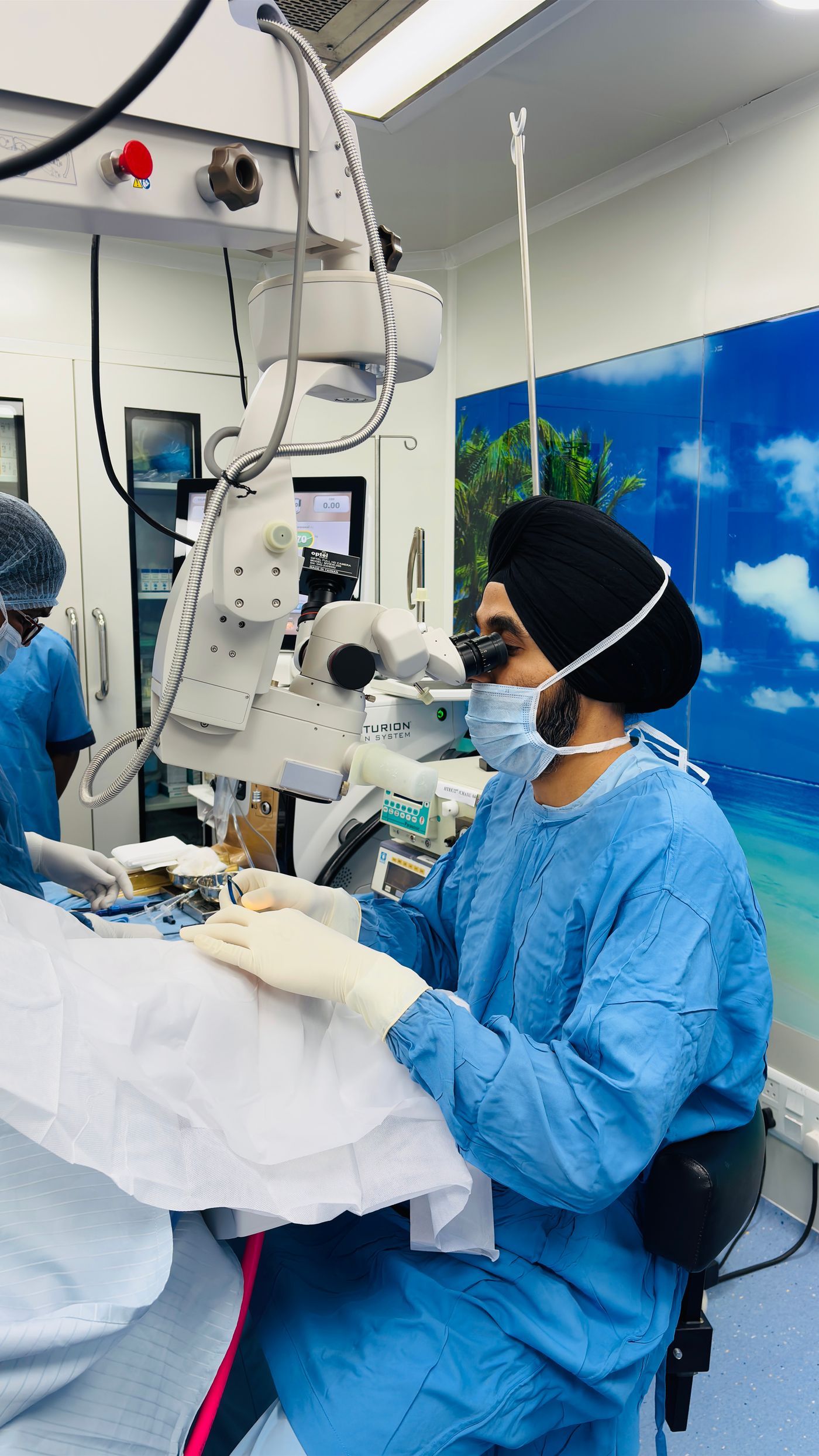
Glaucoma surgery is performed to lower intraocular pressure (IOP) when medications and laser treatments are no longer sufficient. The surgery creates a new drainage pathway or uses devices to help fluid leave the eye, thereby protecting the optic nerve from further damage. There are multiple techniques available, such as trabeculectomy, glaucoma drainage implants, or minimally invasive glaucoma surgeries (MIGS), each chosen depending on the stage and type of glaucoma.
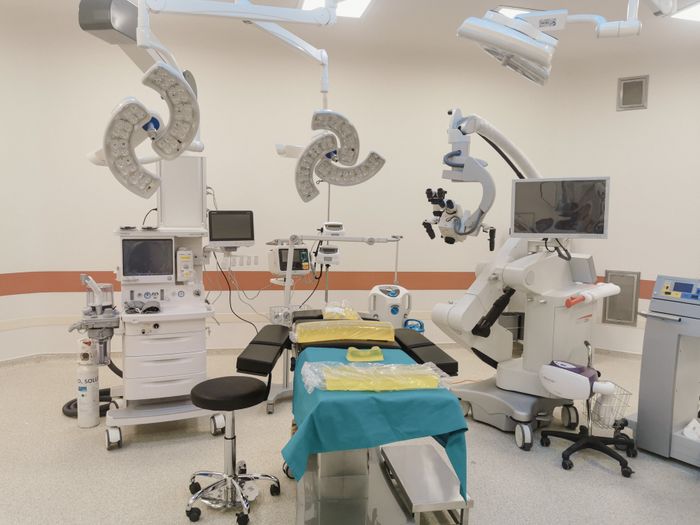
Comprehensive pre-surgical evaluation including visual field testing and OCT
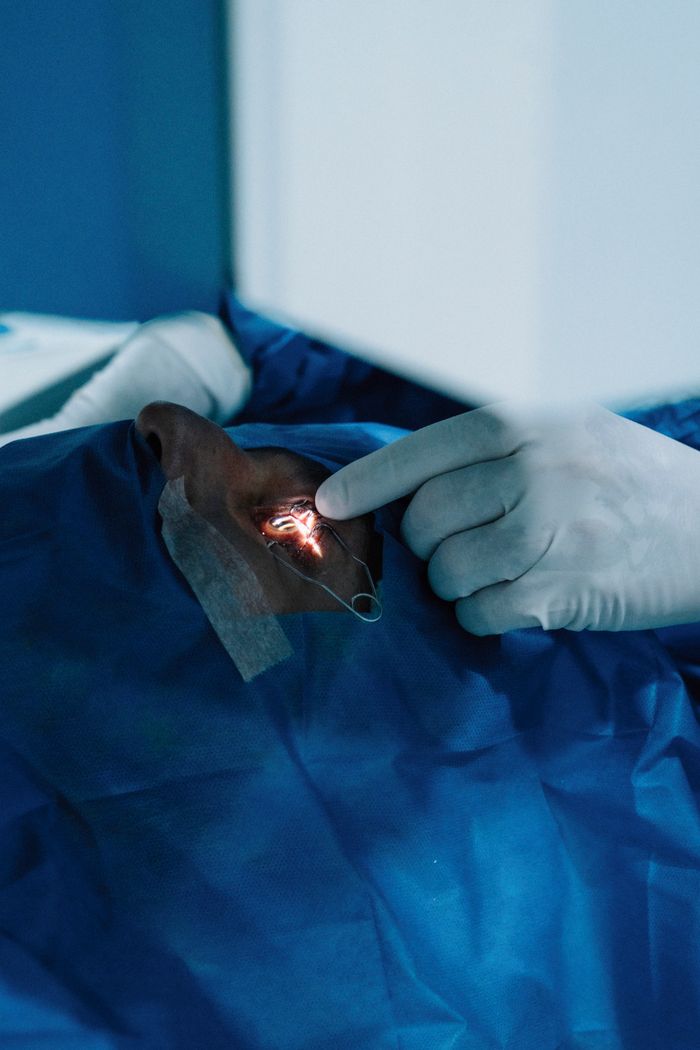
Local anesthesia (peribulbar or subconjunctival) to numb the eye
Trabeculectomy: a small flap is created in the sclera to form a new drainage channel
Antimetabolites (Mitomycin-C) may be applied to reduce scarring and improve long-term success
A drainage bleb (reservoir) forms under the conjunctiva to collect excess fluid
For tube-shunt surgery: a small silicone tube is inserted and connected to a plate
Sutures are placed and wound integrity is verified
Antibiotic and anti-inflammatory eye drops are commenced post-surgery
Trabeculectomy with Mitomycin-C augmentation
Ahmed Glaucoma Valve and Baerveldt tube shunts
Minimally Invasive Glaucoma Surgery (MIGS): iStent inject, Hydrus Microstent
Selective Laser Trabeculoplasty (SLT) as a medication alternative
Recovery takes 4–6 weeks. Avoid heavy lifting, rubbing the eye, and activities that strain the body. Bleb hygiene is critical — report any pain, redness, or vision changes immediately. Regular follow-up is essential in the first 3 months to monitor the bleb and IOP response.
Consult our specialists today
Our team is available to answer any questions about this service.